



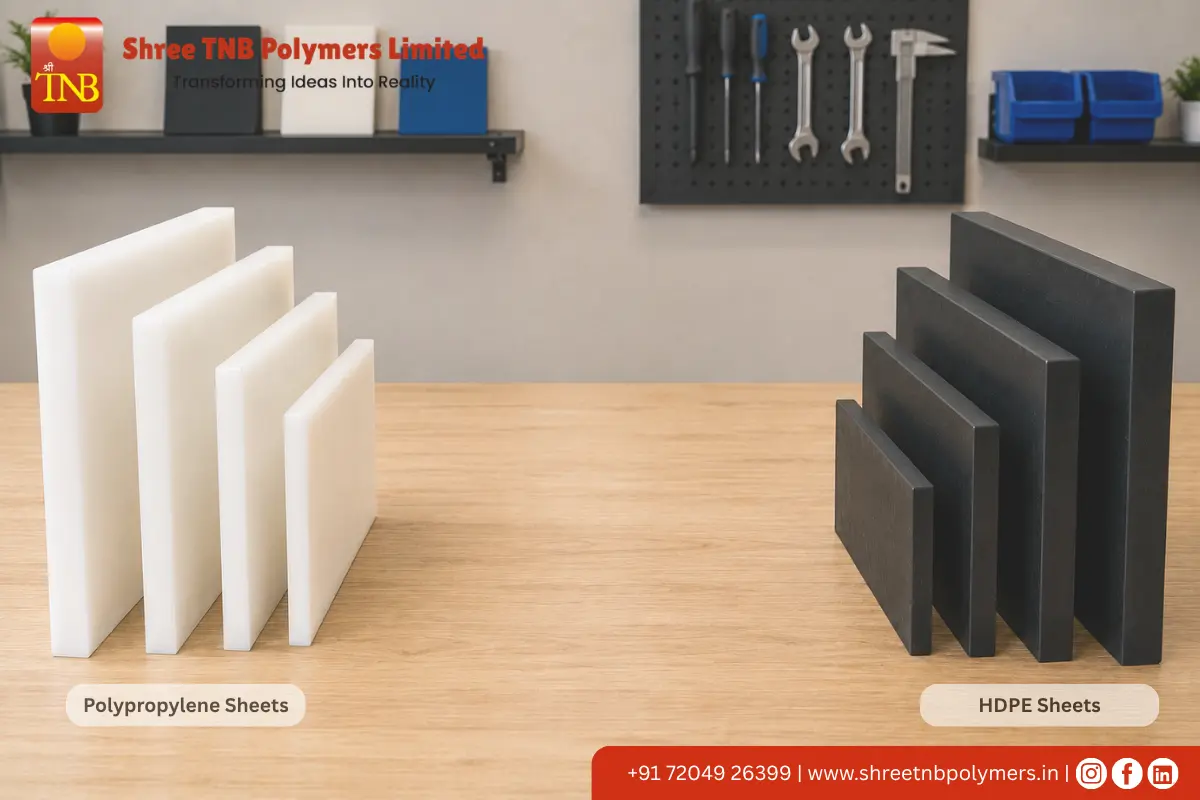
In modern manufacturing and industrial operations, material selection plays a critical role in ensuring product durability, operational efficiency, and cost-effectiveness. Among the most widely used industrial plastic sheets are HDPE Sheets (High-Density Polyethylene Sheets) and Polypropylene Sheets (PP Sheets). These materials have gained widespread acceptance across industries due to their excellent chemical resistance, lightweight nature, durability, and versatility.
From chemical processing plants and water treatment facilities to food processing units and industrial fabrication workshops, HDPE and polypropylene sheets serve as reliable engineering materials for a wide range of applications.
This guide explores the industrial applications of HDPE and polypropylene sheets, their benefits, differences, and how businesses can choose the right material for their specific requirements.
What Are HDPE and Polypropylene Sheets?
HDPE Sheets
HDPE (High-Density Polyethylene) sheets are thermoplastic materials known for:
- High impact resistance
- Excellent chemical resistance
- Moisture resistance
- Durability in harsh environments
- Lightweight construction
These properties make HDPE sheets suitable for industrial applications where strength and corrosion resistance are essential.
Polypropylene Sheets
Polypropylene sheets are versatile thermoplastic materials that offer:
- Outstanding chemical resistance
- Excellent fatigue resistance
- High temperature tolerance
- Easy fabrication and welding
- Low moisture absorption
Polypropylene sheets are frequently used in industrial sectors requiring precision fabrication and chemical handling.
Why Are HDPE and Polypropylene Sheets Important in Industrial Applications?
Industrial environments often expose materials to:
- Chemicals
- Moisture
- Abrasion
- Temperature fluctuations
- Mechanical stress
Traditional materials such as metal may corrode, rust, or require extensive maintenance. Industrial plastic sheets provide a durable and cost-effective alternative.
Key Benefits
- Corrosion resistance
- Lightweight design
- Long service life
- Reduced maintenance requirements
- Excellent chemical resistance
- Ease of fabrication
- Cost efficiency
These benefits have made HDPE and polypropylene sheets preferred materials across numerous industries.
Industrial Applications of HDPE Sheets
1. Chemical Storage Tanks
One of the most common HDPE sheet applications is the manufacturing of chemical storage tanks.
HDPE's excellent resistance to acids, alkalis, and corrosive substances helps improve safety and longevity in chemical processing environments.
Common Uses
- Chemical containment tanks
- Storage vessels
- Secondary containment systems
2. Water Treatment Plants
HDPE sheets are extensively used in water and wastewater treatment facilities.
Applications include:
- Tank linings
- Baffle walls
- Filtration components
- Protective barriers
Their moisture resistance and durability make them ideal for continuous exposure to water.
3. Industrial Fabrication
Many manufacturers use HDPE sheets for custom fabrication projects.
Examples include:
- Machine guards
- Equipment covers
- Industrial partitions
- Protective panels
The material is easy to cut, machine, and fabricate.
4. Food Processing Industry
Food-grade HDPE sheets are widely used in food manufacturing environments.
Applications include:
- Cutting surfaces
- Food handling equipment
- Processing tables
- Packaging systems
Their non-toxic nature and easy-to-clean surfaces help maintain hygiene standards.
5. Material Handling Equipment
HDPE sheets are commonly incorporated into:
- Conveyor components
- Wear strips
- Guide rails
- Storage bins
Their low friction characteristics improve operational efficiency and reduce wear.
Industrial Applications of Polypropylene Sheets
1. Chemical Processing Equipment
Polypropylene sheet applications are particularly common in chemical industries.
The material provides excellent resistance against:
- Acids
- Solvents
- Chemical solutions
Applications include:
- Chemical tanks
- Process vessels
- Ducting systems
- Fume extraction units
2. Pharmaceutical Manufacturing
Pharmaceutical facilities require materials that offer cleanliness and chemical resistance.
Polypropylene sheets are used for:
- Cleanroom equipment
- Laboratory furniture
- Processing stations
- Storage systems
Their low contamination risk makes them suitable for controlled environments.
3. Industrial Ventilation Systems
Polypropylene sheets are frequently fabricated into:
- Air ducts
- Fume hoods
- Ventilation components
Their resistance to corrosive gases contributes to long-term performance.
4. Packaging Industry
Many industrial packaging solutions use polypropylene sheets because of their strength and flexibility.
Examples include:
- Reusable packaging containers
- Protective packaging components
- Industrial storage solutions
5. Automotive Components
Manufacturers use polypropylene sheets for producing lightweight automotive components.
Benefits include:
- Weight reduction
- Chemical resistance
- Improved fuel efficiency
- Durability
HDPE vs Polypropylene Sheets
Impact Resistance:
- HDPE Sheets – Excellent
- Polypropylene Sheets – Good
Chemical Resistance:
- HDPE Sheets – Excellent
- Polypropylene Sheets – Excellent
Temperature Resistance:
- HDPE Sheets – Moderate
- Polypropylene Sheets – Higher
Moisture Absorption:
- HDPE Sheets – Very Low
- Polypropylene Sheets – Very Low
Fabrication:
- HDPE Sheets – Easy
- Polypropylene Sheets – Excellent
Rigidity:
- HDPE Sheets – Moderate
- Polypropylene Sheets – Higher
Cost Efficiency:
- HDPE Sheets – High
- Polypropylene Sheets – High
Which Material Should You Choose?
Choose HDPE sheets when:
- High impact resistance is required
- Outdoor exposure is expected
- Moisture resistance is critical
Choose polypropylene sheets when:
- Higher operating temperatures are involved
- Complex fabrication is needed
- Chemical processing applications are a priority
How to Choose the Right Industrial Plastic Sheet
When selecting industrial plastic sheets, consider the following factors:
Chemical Exposure
Evaluate the chemicals that will come into contact with the material.
Temperature Requirements
Determine the operating temperature range.
Mechanical Stress
Assess impact, load, and wear conditions.
Fabrication Needs
Consider welding, bending, and machining requirements.
Industry Compliance
Ensure the material meets applicable industry standards and regulations.
Proper material selection helps improve performance and reduce long-term maintenance costs.
Common Mistakes to Avoid
- Choosing materials based solely on cost
- Ignoring chemical compatibility requirements
- Overlooking temperature limitations
- Using the wrong sheet thickness
- Neglecting fabrication requirements
- Failing to consider long-term durability
Avoiding these mistakes can significantly improve project outcomes.
Conclusion
HDPE sheets and polypropylene sheets have become essential materials across modern industries due to their durability, chemical resistance, lightweight construction, and versatility. From chemical processing plants and water treatment facilities to pharmaceutical manufacturing and food processing operations, these industrial plastic sheets deliver reliable performance in demanding environments.
Businesses evaluating industrial plastic sheet solutions should carefully assess application requirements, environmental conditions, and fabrication needs before selecting the most suitable material. Working with an experienced manufacturer can help ensure optimal performance and long-term value.
Looking for High-Quality HDPE and Polypropylene Sheets?
Choose premium industrial plastic sheets for reliable performance and long-term durability.
Gallery
.webp)